
The most common mistake in skin care is not failing to buy an expensive product; it is choosing products for the wrong skin type. Dry skin that avoids moisturiser because it thinks it is oily, or combination skin using heavy creams because it thinks it is dry… The result is usually the same: the skin neither recovers nor feels comfortable.
The good news: you do not need an expensive device to work out your skin type. A towel, a gentle cleanser and half an hour are enough. At Gülşah&Şilan Güzellik Merkezi, this guide brings together the simple test you can do at home, how to read the results, and the mistakes people make most often.
First, a distinction: skin "type" or skin "condition"?
These two are often confused, and confusing them leads to the wrong products:
- Skin type: the relatively stable structure of your skin related to oil production. It falls into four groups: normal, dry, combination, oily. - Skin condition: temporary and changeable. Dehydration, sensitivity, dullness and uneven tone are all "conditions" and can appear in any skin type.
So oily skin can also be dehydrated, and dry skin can also be sensitive. The right routine starts with telling the two apart.
The simple home test: the 30-minute rule
This is the easiest and most widely used method:
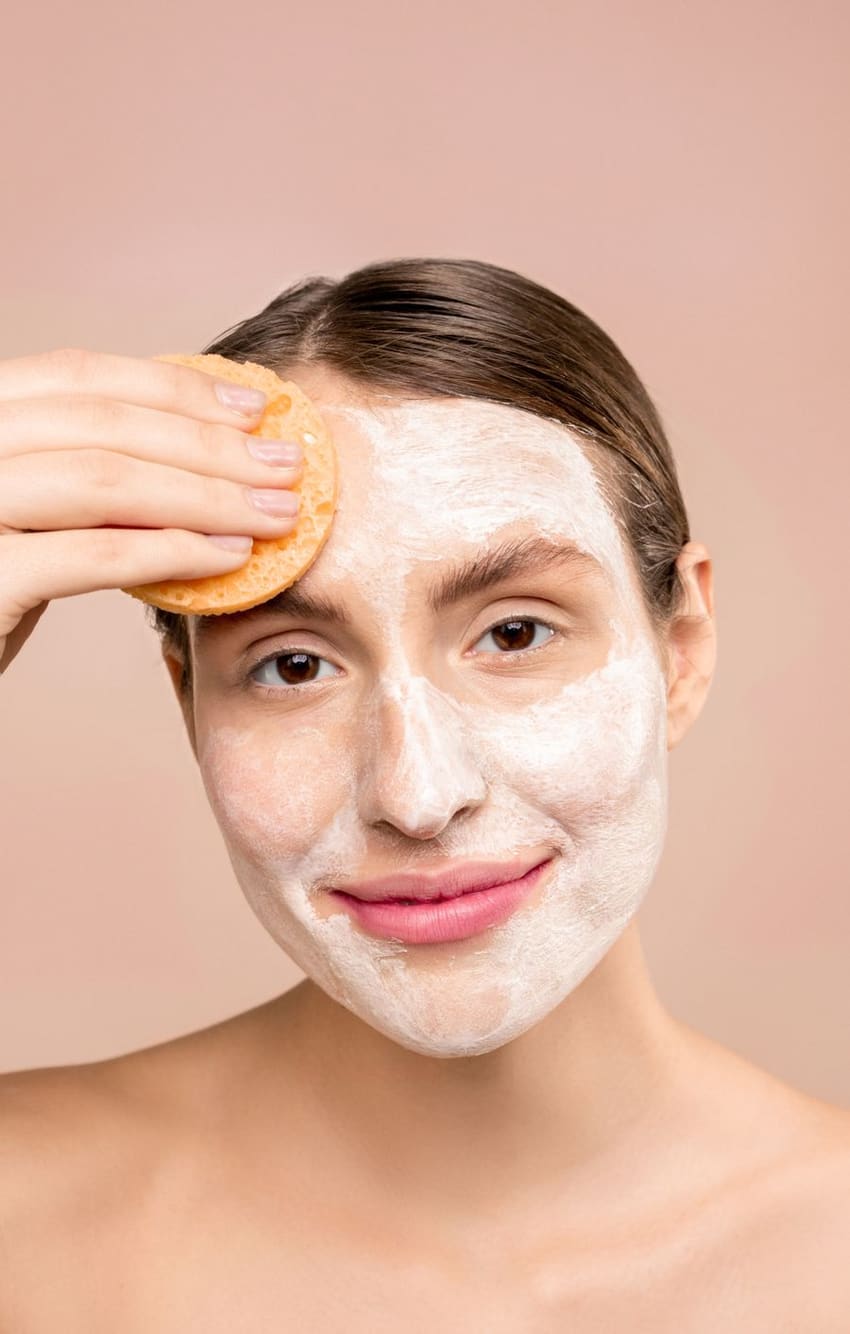
- 1.Wash your face with a gentle cleanser. Harsh products that leave skin squeaky will skew the result.
- 2.Pat dry gently. Press, do not rub.
- 3.Apply nothing and wait 30 minutes. No cream, no serum, no toner.
- 4.Then look in the mirror and touch. Assess the forehead, nose, chin and both cheeks separately.
Reading the results
After half an hour, your skin tells you:
- 1.Normal skin: no obvious shine and no tightness. The skin feels comfortable and the texture is balanced.
- 2.Dry skin: overall tightness, some flaking and a matte look. The tight feeling becomes clearer when you move your face.
- 3.Oily skin: shine across the whole face, becoming more obvious towards midday. Pores may look more visible.
- 4.Combination skin: shine gathers only in the T-zone (forehead and nose) while the cheeks feel normal or dry. It is one of the most common types.
The tissue method: at the end of the same 30 minutes, press a clean tissue separately onto the forehead, nose, chin and cheeks. Clear oil marks everywhere → oily; marks only in the T-zone → combination; almost no marks → dry.

Sensitivity is not a type, it is a trait
This is one of the most confused points. Sensitivity is not a fifth skin type; it is a separate reactivity trait that can appear in all four types. Redness, burning, tingling or discomfort after a product can point to sensitivity. Oily skin can be sensitive too.
If there is sensitivity, products suited to your type should be used in gentler formulas and with fewer actives.
Your skin type is not fixed
Although skin type has a genetic basis, it can change over time and with conditions:
- Season: many skins behave drier in winter. Skin that is oily in summer can shift towards combination in winter — which is why the routine should be updated by season. Winter advice is in our autumn-winter skin care guide. - Age: oil production generally decreases over the years. - Products used: very harsh cleansers can dry the skin and trigger "false oiliness".
So it is useful to repeat the test once or twice a year, especially at seasonal transitions.
Four common mistakes
- 1."My pores are large, so my skin is oily." Pore size alone does not determine skin type; it is also related to genetics and age.
- 2."Oily skin does not need moisturiser." Quite the opposite: skin left without moisture can produce more oil. Oily skin is supported with light-textured moisturisers.
- 3."I will do the test right after removing my makeup." Residue from makeup remover skews the result; a gentle cleanse and a 30-minute wait are essential.
- 4."If a product worked for someone, it works for everyone." Two skins of the same type can react differently depending on sensitivity and condition.
When should you see a professional?
The home test is a guide but it is not a diagnosis. It is better to seek an assessment in these cases:
- Persistent dryness, itching, redness or irritation - Intense acne or spots that leave marks - Sudden, unexplained changes in the skin
Such situations may require medical assessment; if that is needed, we refer you to a dermatologist. For a daily care plan and professional skin care, we carry out a skin analysis at our center and decide the right routine with you.
Skin analysis and a free consultation in Eskişehir
You can request a free consultation to assess your skin type and needs together. To get detailed information and make an appointment at our center in Hoşnudiye, reach us via WhatsApp.
"Beauty is a journey, not a destination. Our goal is to walk that path with you, providing guidance and excellence at every step."
Disclaimer: This content is for informational purposes only and is not diagnostic or treatment advice. Our services fall within the scope of beauty and care services. Results may vary depending on individual conditions; consult our specialists for a personal assessment.